
"coffee chemicals"
9000 article(s) found

The main chemical composition of raw coffee beans is carbohydrate.
Main chemical components of raw coffee beans: content (%) carbohydrate 60.0 reducing sugar 1.0 sucrose 7.0 pectin 2.0 starch 10.0 garrison 5.0 hemicellulose 15.0 holocellulose 18.0 lignin 2.0

What is tannic acid? One of the main chemical constituents of coffee beans
Tannin, one of the main chemical components of coffee beans, accounts for about 7% of the total chemical composition of coffee beans. After extraction, tannic acid will turn into a yellowish powder and easily dissolve in water. Once heated, it will decompose to produce pyrosylic acid, making the taste of coffee worse. Because of this, a cup of brewed coffee will lose its taste and taste if it is not drunk immediately.
Identification of Cat shit Coffee by Chemical Analysis
People who enjoy the most expensive coffee in the world will soon be able to sip coffee without having to worry: researchers have devised a way to tell these people whether the coffee they buy is real or fake.
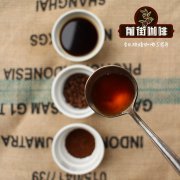
Sensory characteristics and main chemical components of coffee with different roasting degree
Professional coffee knowledge exchange more coffee bean information Please follow Coffee Workshop (Wechat official account cafe_style) Coffee is one of the most popular drinks in the world, the most commercially valuable varieties are Arabica and Robst. In this paper, Yunnan Arabica coffee and Indian Robster coffee were selected as the representatives of the two species, and two kinds of coffee with different roasting degrees were studied.

How many chemicals are there in a cup of coffee
Coffee flavor chemistry has been studied for more than 200 years. Researchers have been committed to the separation and identification of coffee flavor substances. At present, more than 1000 coffee flavor substances have been reported. People can smell the aroma of coffee, because of the volatility of chemical molecules, the flavor of these chemical molecules is combined to form the taste of coffee. Swiss Federal University of Technology
What are the chemicals in raw coffee beans? what are the main ingredients of coffee?
Coffee beans are strong, green seeds. 50% of the ingredients are different forms of carbohydrates, and the other 50% are made up of water, proteins, lipids, acids, and various biological bases. Coffee roasters can bake good coffee without knowing the many chemicals in raw beans, but knowing them will help to judge the nature of coffee beans.

How does the treatment affect the flavor and taste of coffee? the treatment will affect the chemical composition of coffee.
Why do sun beans taste different from water-washed beans? What makes the sweetness of honey handling coffee more obvious? The method of raw bean treatment has a great influence on the flavor, aroma and alcohol thickness of coffee, and it is also an important difference for many people to choose coffee beans. The chemical changes that occur during the processing of coffee beans and how these changes affect the flavor in the cup. We can learn about it together.

What is organic coffee? Is the price of organic coffee high? Will organic coffee be healthier?
What makes coffee organic? Did you know that about 3/4 of all Fairtrade coffee is produced and produced organically? The main reason is that small family farmers are more likely to use organic farming techniques, while small family farmers are farmers served by fair trade practices. Organic farms do not allow the use of synthetic chemicals, fertilizers or pesticides in farming or production. If you mark the coffee
Coffee roasting coffee bitterness comes from the processing process
In western countries, people drink a cup of coffee every morning. In order to cover up the bitterness of the coffee, they often add some milk powder and sugar. But why is coffee bitter? A seemingly simple problem has been bothering scientists for decades. Now, scientists have narrowed down their research and targeted two chemical molecules. Chemistry in the United States

The chemical composition of coffee
Main chemical composition of raw coffee beans: content (%) carbohydrate 60.0 reducing sugar 1.0 sucrose 7.0 pectin 2.0 starch 10.0 garrison 5.0 hemicellulose 15.0 holocellulose 18.0 lignin 2.0 aroma: aroma is the life of coffee quality, but also the best performance of coffee production process and baking technology, climate, elevation, variety, refinement
Coffee common sense Coffee bitterness comes from the processing process
In western countries, people drink a cup of coffee every morning. In order to cover up the bitterness of the coffee, they often add some milk powder and sugar. But why is coffee bitter? A seemingly simple problem has been bothering scientists for decades. Now, scientists have narrowed down their research and targeted two chemical molecules. Chemistry in the United States
Coffee basic knowledge Coffee bitterness comes from the processing process
In western countries, people drink a cup of coffee every morning. In order to cover up the bitterness of the coffee, they often add some milk powder and sugar. But why is coffee bitter? A seemingly simple problem has been bothering scientists for decades. Now, scientists have narrowed down their research and targeted two chemical molecules. Chemistry in the United States

Processing methods of coffee beans with low caffeine
CO2 low-caffeine treatment and other low-caffeine treatments are described as follows: at present, there are three ways to remove caffeine from coffee beans: 1. Water treatment can remove 9496% of the caffeine. 2. Chemical extraction method, early use of chloroform (Chloroform) and benzene (Benzene) as solvents to extract caffeine, and later understand that these chemicals cause cancer, and then gradually become other low-hazard chemicals.

The chemical composition of coffee
Caffeine is the most eye-catching of all the ingredients of coffee. It belongs to plant xanthamins (animal muscle components) and has the same properties as theobromine in cocoa and theophylline in green tea.

Decaffein, the processing method of low caffeine coffee beans
CO2 low-caffeine treatment and other low-caffeine treatments are described as follows: at present, there are three ways to remove caffeine from coffee beans: 1. Water treatment can remove 9496% of the caffeine. 2. Chemical extraction method, early use of chloroform (Chloroform) and benzene (Benzene) as solvents to extract caffeine, and later understand that these chemicals cause cancer, and then gradually become other low-hazard chemicals.
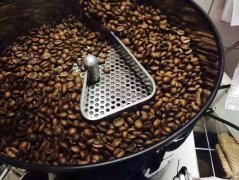
Decaffein, the processing method of low caffeine coffee beans
CO2 low-caffeine treatment and other low-caffeine treatments are described as follows: at present, there are three ways to remove caffeine from coffee beans: 1. Water treatment can remove 9496% of the caffeine. 2. Chemical extraction method, early use of chloroform (Chloroform) and benzene (Benzene) as solvents to extract caffeine, and later understand that these chemicals cause cancer, and then gradually become other low-hazard chemicals.
High-quality coffee common sense coffee bitterness comes from the processing process
In western countries, people drink a cup of coffee every morning. In order to cover up the bitterness of the coffee, they often add some milk powder and sugar. But why is coffee bitter? A seemingly simple problem has been bothering scientists for decades. Now, scientists have narrowed down their research and targeted two chemical molecules. Chemistry in the United States
Why is coffee bitter? the bitterness of coffee comes from the processing process.
In western countries, people drink a cup of coffee every morning. In order to cover up the bitterness of the coffee, they often add some milk powder and sugar. But why is coffee bitter? A seemingly simple problem has been bothering scientists for decades. Now, scientists have narrowed down their research and targeted two chemical molecules. Chemistry in the United States

The bitter taste of coffee comes from the roasting process of coffee beans.
In western countries, people drink a cup of coffee every morning. In order to cover up the bitterness of the coffee, they often add some milk powder and sugar. But why is coffee bitter? A seemingly simple problem has been bothering scientists for decades. Now, scientists have narrowed down their research and targeted two chemical molecules. Chemistry in the United States

High-quality coffee common sense coffee bitterness comes from the processing process
In western countries, people drink a cup of coffee every morning. In order to cover up the bitterness of the coffee, they often add some milk powder and sugar. But why is coffee bitter? A seemingly simple problem has been bothering scientists for decades. Now, scientists have narrowed down their research and targeted two chemical molecules. Chemistry in the United States